
Empowering society. Empowering our company.
To ensure future viability, sustainability is firmly embedded in the values of FUCHS. Taking social and ecological responsibility is part of FUCHS’ corporate identity. Therefore the three sustainability dimensions of economy, ecology and society are core elements of good corporate governance for FUCHS.
Economic, ecological and social activities in harmony
FUCHS sees sustainability as core element of sound corporate management. The FUCHS Principles on Health, Safety, Environment, Energy, Quality and Sustainability Management published for the first time in 2024 contain standards for responsible business practices and is considered as a binding sustainability framework for the Group's global business operations. Based on this, FUCHS is committed to three central sustainability targets, which are operationalized by a comprehensive key performance indicator system and documented in the annual Sustainability Report.
ECONOMICAL
- Develop markets
- Bind / win customers
- Secure / increase longterm business
ECOLOGICAL
- Resource-efficient production
- Environmentally friendly products
- Reduction of CO2 emissions
SOCIAL
- Employee safety / -satisfaction
- „Corporate Citizenship“
- Compliance with human rights

Economic Responsibility
FUCHS considers economic responsibility to be the adoption of a long-term business orientation with the objective of continuously increasing company value, as well as creating shareholder value. Business activities are therefore based on the following principles:
- FUCHS bases its corporate decisions on realistic, economically sound and long-term objectives
- FUCHS pursues a dividend policy that is geared to providing continually increasing, or at the very least stable, dividend payouts
The central key performance indicator (KPI) for corporate management is the FUCHS Value Added (FVA). As economic profit, the FVA embodies a holistic approach that takes into account both earnings (EBIT) and capital employed. At FUCHS, the development of net operating working capital (NOWC) has a particular influence on the level of capital employed. The main components of NOWC are inventories and trade receivables.
| 2025 | 2024 | |
|---|---|---|
| FUCHS Value Added (FVA) in € million | 249 | 245 |
| Earnings before interest and tax (EBIT) in € million | 435 | 434 |
| Net operating working capital (NOWC) in € million | 789 | 791 |
| Dividend distribution in € million | 160 | 153 |
Ecological Responsibility
We are continuously reducing our ecological footprint through targeted product and process-based measures.
- FUCHS invests in modern and safe systems and process optimization. This helps reduce energy and water consumption, as well as production waste
- With lubricant products that are optimally matched to their respective applications, FUCHS increases the efficiency of its customers' production process and makes a contribution toward reducing emissions
- FUCHS invests in alternative raw material solutions that support the conservation of the environment and resources
- FUCHS' R&D activities are keenly focused on the development of resource-saving and environmentally-friendly products
With these measures, FUCHS is making a valuable contribution toward reducing its environmental impact and resource consumption, and thereby also contributing to sustainability in the ecological sense.
Targeted transfer of knowledge at all levels in the FUCHS Group and consistent compliance with specified guidelines/directives, as well as continuous measurement of defined KPIs, allow us to critically analyze our commitment.
Energy Use by Source
In 2025, FUCHS achieved its goal of sourcing 100% renewable electricity worldwide, reaching a key sustainability target of the FUCHS2025 strategy. This milestone was accomplished through a combination of expanding our own photovoltaic capacity, renewable power purchase agreements (PPAs), certified renewable electricity sourced through Guarantees of Origin (GoOs) and international Renewable Energy Certificates (i-RECs). As a result, our global Scope 2 emissions were reduced to near zero
The following charts illustrate the composition of FUCHS' electricity and energy mix in 2025.
FUCHS Electricity Mix

FUCHS Energy Mix

The analysis was conducted using primary data from our sites and location based secondary data of local energy mixes.
Energy consumption
Energy Intensity (in kWh/revenue in €)

Absolute Energy Consumption (in MWh)

Basis: CO2 emissions of FUCHS production, sales and holding companies (without offsetting certificates of origin for "green electricity").
Water consumption
Water Use Intensity (in m³/revenue in €)

Absolute Water Use (in m³)

Basis: Water consumption of FUCHS production, sales and holding companies.
Waste generation
Waste Intensity (in kg/revenue in €)

Absolute Waste generation (in tons, excluding recycling)

Basis: Waste generated by FUCHS production, sales and holding companies.
CO2 emissions ("gate-to-gate")
CO2-Emission Intensity (in kg CO2e/ton produced)

Absolute CO2-Emissions (in tons CO2e)

■ Scope 1: Direct emissions, including own energy generation.
■ Scope 2: Indirect emissions through purchased energy.
■ Scope 3: Other indirect emissions along the value chain.
Basis: CO2 emissions of FUCHS production, sales and holding companies (without offsetting certificates of origin for "green electricity").
Social Responsibility
For FUCHS, social sustainability means assuming responsibility both for its employees and for society at large.

"
We believe that every company also has a social responsibility. That’s why active commitment in a wide range of social challenges is part of our corporate culture and has long been a tradition for us.
Julia Schlusche, Specialist Corporate Marketing & Communications, FUCHS SE
"
Responsibility for employees
We see our employees as the basis of our success and have permanently anchored this concept in our personnel policy.
- FUCHS is committed to compliance with human rights and labor standards, as well as to promoting health and safety at the workplace
- FUCHS ensures a balanced mix of specialists and all-rounders when filling key positions at the company
- Wherever possible, FUCHS also fills positions that become vacant with experienced employees from within the company
- FUCHS invests in training young people, as well as in the development and promotion of up-and-coming talents
- FUCHS offers its employees support in combining their career with a family
Social indicators
| 2025 | 2024 | |
| Distribution of employees by age group (in %) | ||
| Under 30 years | 12 | 11,5 |
| 30 - 50 years | 58 | 57.1 |
| Over 50 years | 30 | 34.1 |
| Voluntary employee turnover rate (in %)1 | 4 | 5 |
| Number of work-related accidents2 | 100 | 67 |
| Number of days lost | 2,720 | 2,046 |
| Training hours per employee | 12.5 | 9.4 |
| Share of woman at top management level (in %)3 | 23 | 21.2 |
| Female members on the Supervisory Board (in %) | 33.3 | 33.3 |
| Female members of the Executive Board (in %) | 20 | 20 |
| Gender Pay Gap (in %) | 11 | 13.7 |
1 The rate is calculated based on employee-initiated resignations relative to the number of employees at the end of the reporting period.
2 Number of recordable work-related accidents with at least one day’s absence from work.
3 FUCHS defines the top management level as the two levels below the administrative and supervisory bodies. Below the Executive Board, this includes local management teams and the Group Management Committee (Level 1), as well as senior management and divisional management (Level 2).
Responsibility for society
We are engaged in various corporate citizenship activities, as we also bear responsibility for our social environment.
- FUCHS supports cultural projects with the aim of securing a versatile and attractive cultural offering
- FUCHS is committed to social projects and supports voluntary work, as well as social organizations and establishments
- FUCHS promotes scientific projects and socio-scientific exchange
Procedures to ensure compliance with the environmental supplier standard
FUCHS aims at continuously promoting transparency and sustainability along its supply chain in cooperation with suppliers. To this end, a binding Supplier Code of Conduct was developed, which is based on the principles of the UN Global Compact, among others, and clearly formulates FUCHS' expectations towards its suppliers. FUCHS wants its suppliers to recognize the Supplier Code of Conduct and to ensure compliance with it along their value chain. In addition, the Supplier Code of Conduct was enriched in 2023 and now stipulates important FUCHS requirements regarding compliance, the prohibition of child labor and discrimination as well as compliance with human rights, laws and recognized labor and environmental standards.
In 2023, all raw material and packaging suppliers globally were assessed in their performance towards FUCHS’ sustainable requirements via a 3rd party platform.
Moreover, as part of active supplier management, FUCHS carries out an annual assessment of all global strategic raw material suppliers. A systematic and transparent assessment is carried out by various functions within FUCHS. For the first time in 2023, an assessment was carried out at regional level in the EMEA region.
The importance and number of requirements within the strategic supplier evaluation regarding sustainability aspects are also gradually increasing. The supplier evaluation includes aspects such as reliability, quality, fulfillment of sustainability requirements, technical cooperation, etc.
This evaluation helps Fuchs to reward business to best in class suppliers. On the other hand, in case of low performance, FUCHS will be taking actions such as triggering supplier audits. In the following years, the audit should include social and environmental aspects. In the case of not achieving an acceptable score in the audit, the process foresees different escalation steps that can eventually lead to disqualification of a supplier.
All these measures enable our procurement organization to allocate businesses and projects towards suppliers performing best in class and will ensure FUCHS’ transformation to a more sustainable supply chain.
We are supporting the United Nations Sustainable Development Goals
Sustainable Development Goals (SDGs)
The 17 Sustainable Development Goals (SDGs) are political targets set by the United Nations to ensure sustainable development at the economic, social and environmental levels worldwide.

Ranking of FUCHS supported SDGs by projects in 2025
Tip: Hover over the cards to find out how many projects with this SDG FUCHS supports.
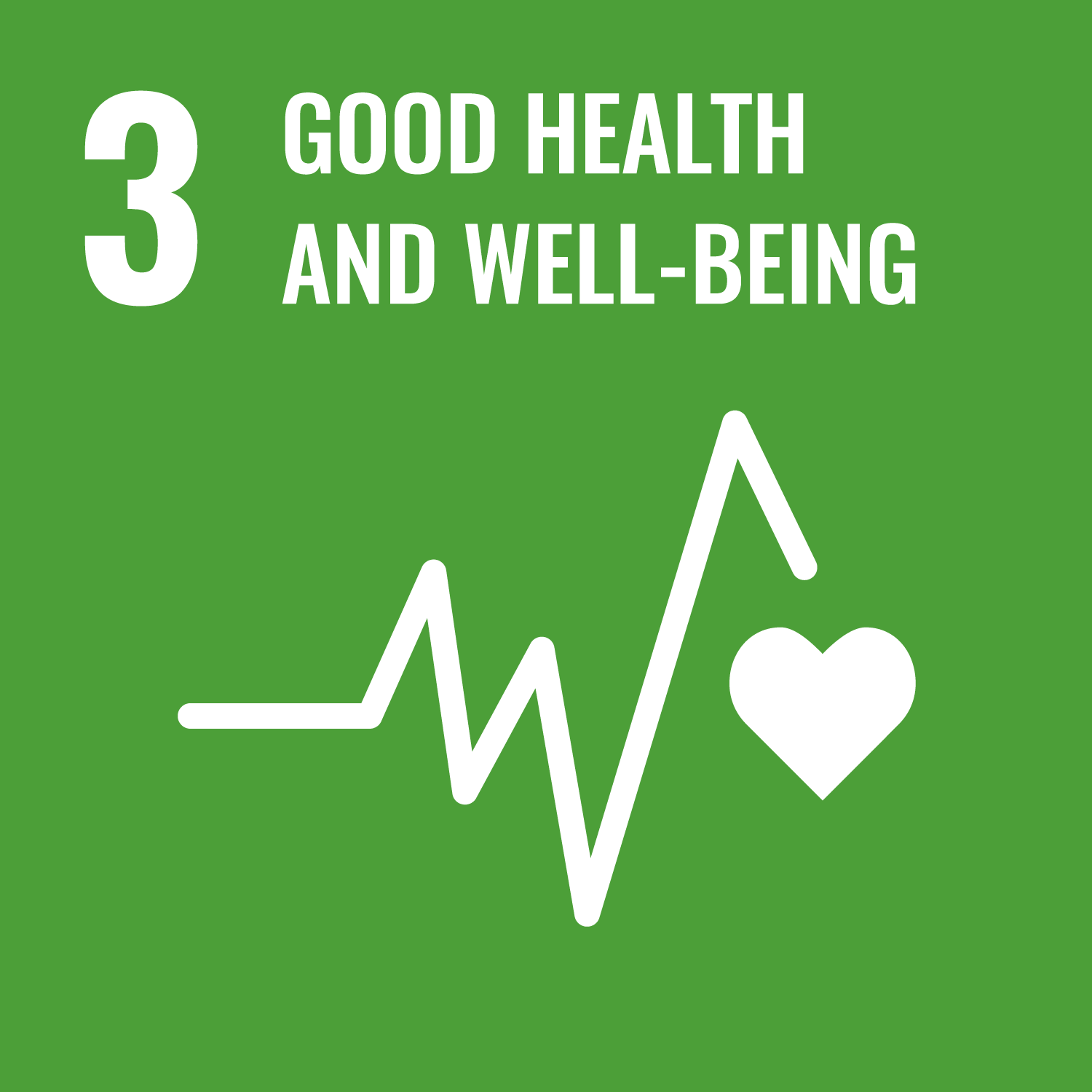
218
projects
(35% of total)
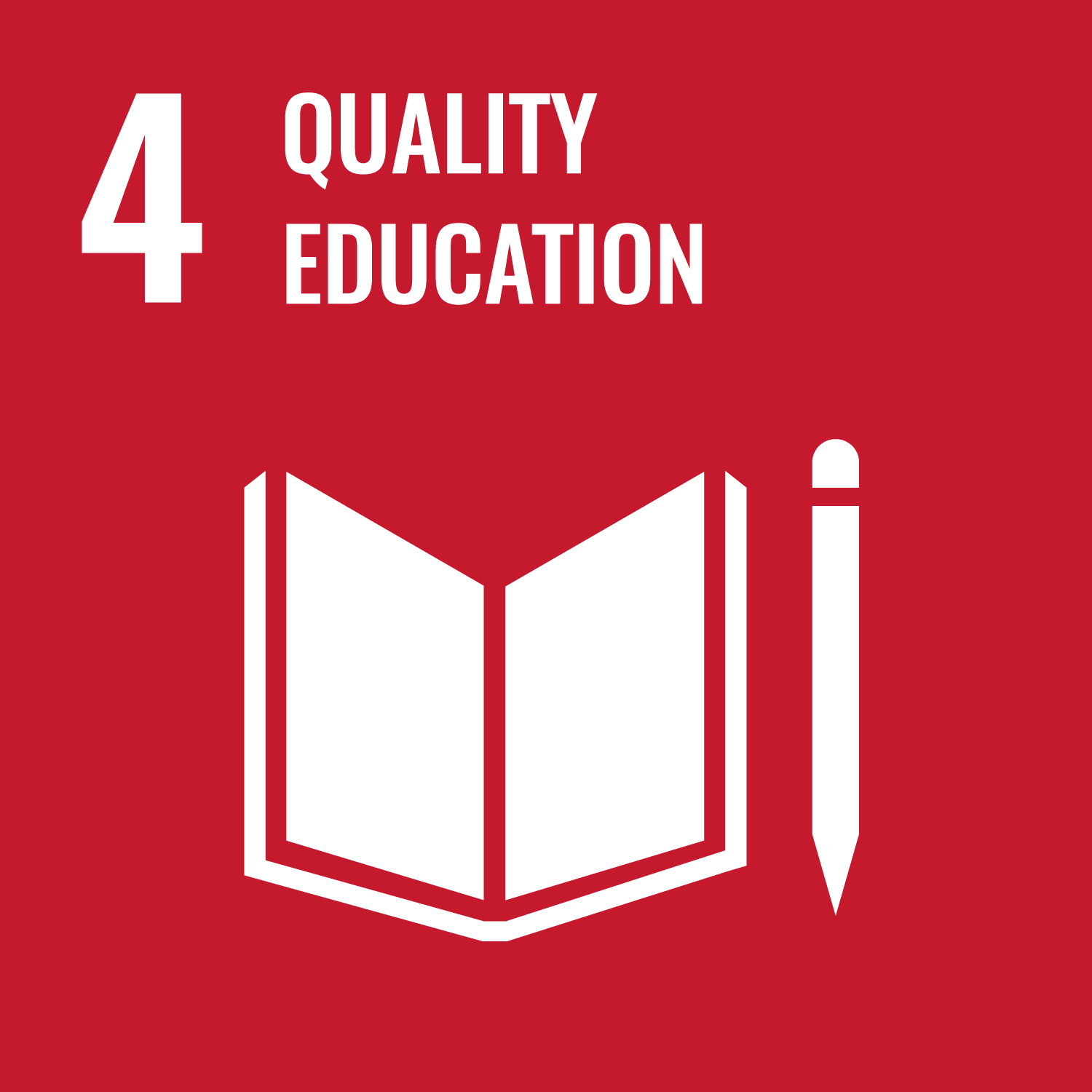
96
projects
(15% of total)
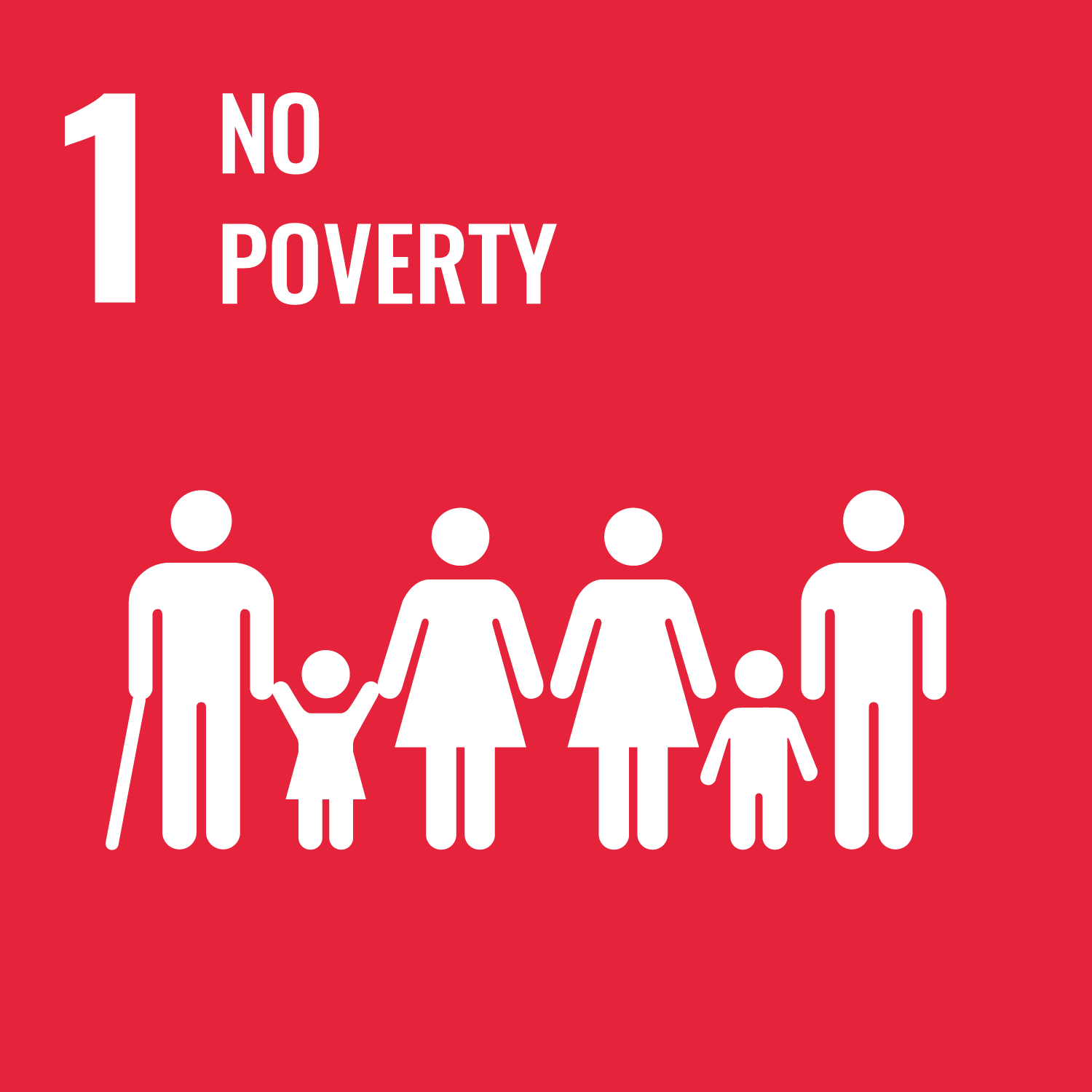
95
projects
(15% of total)
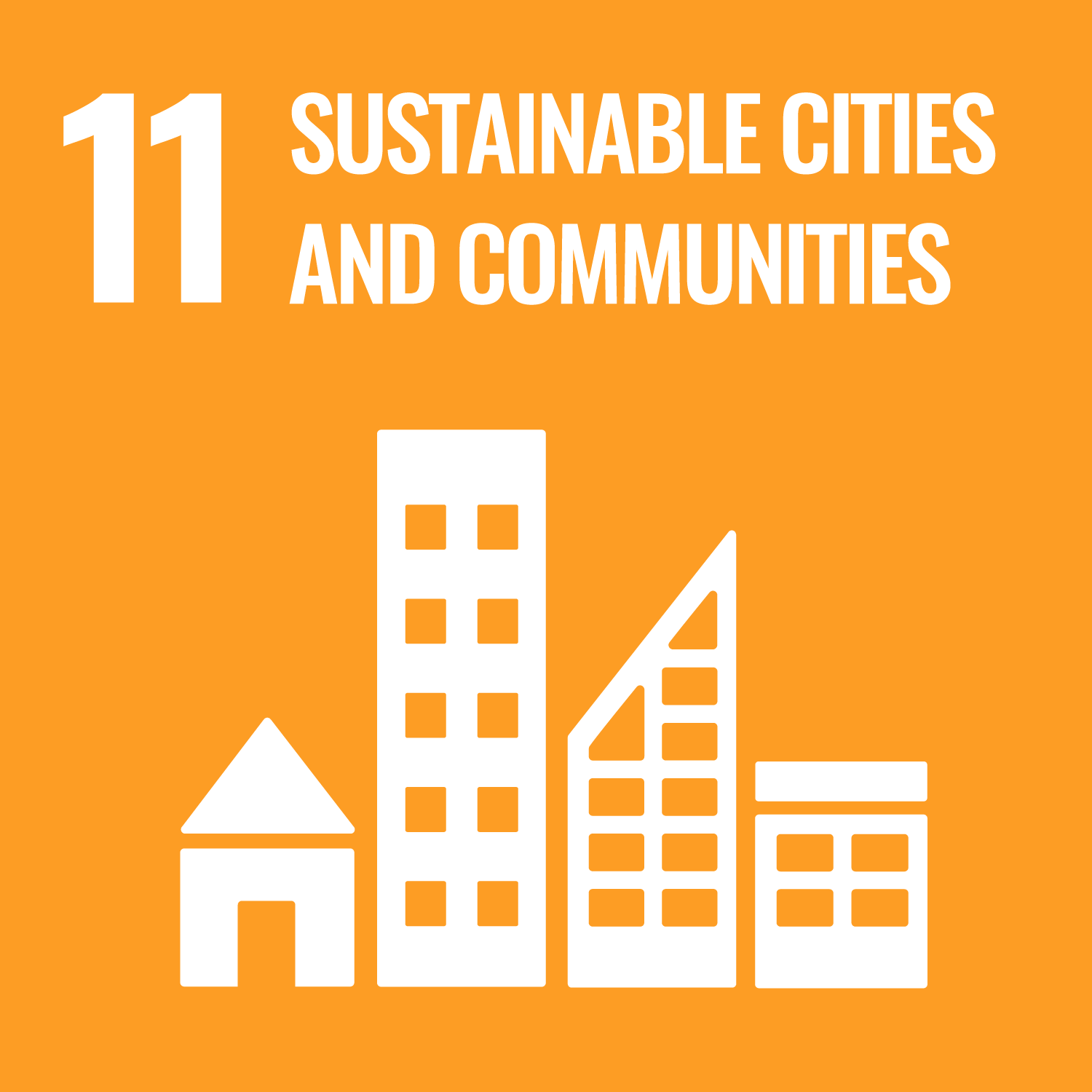
72
projects
(11% of total)
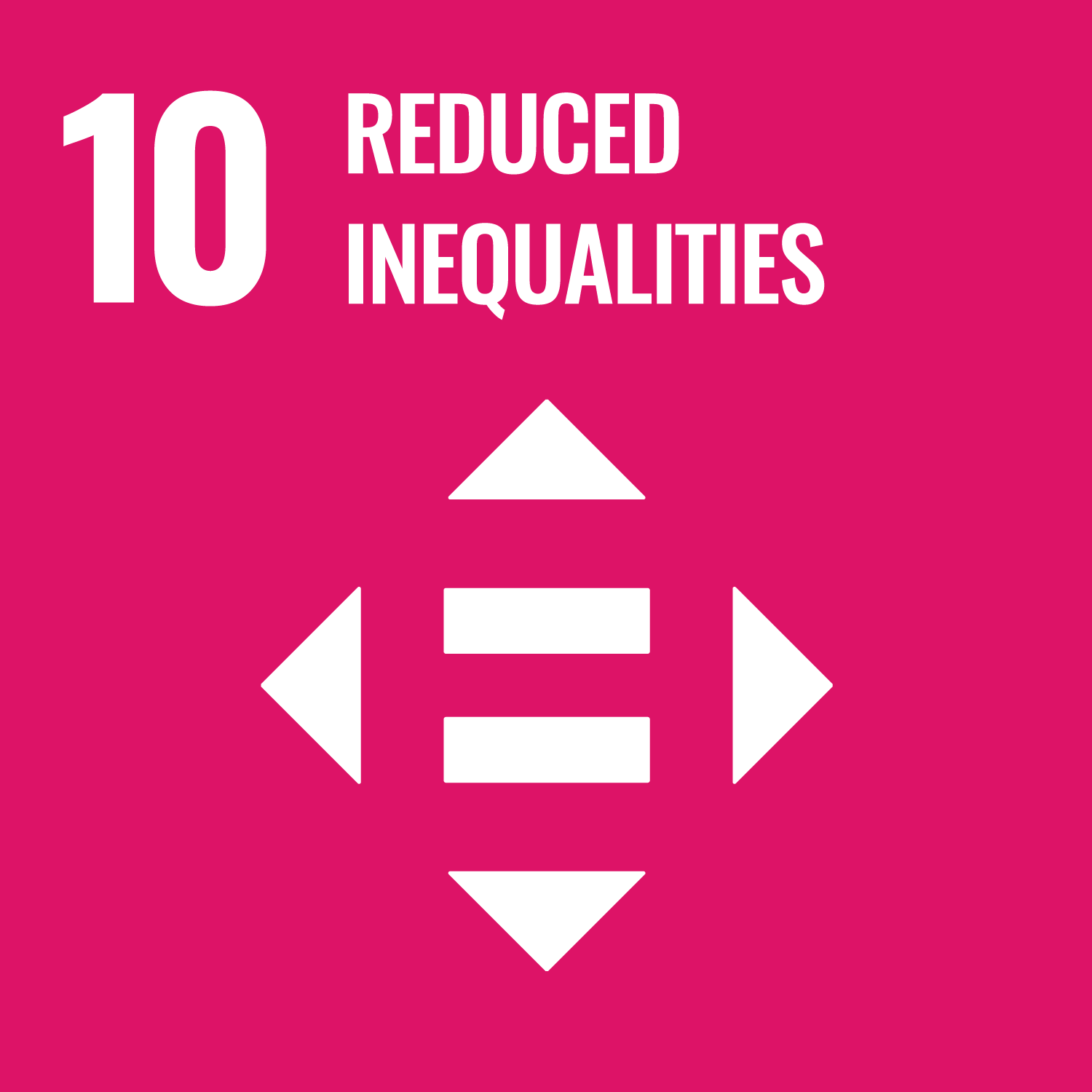
60
projects
(10% of total)
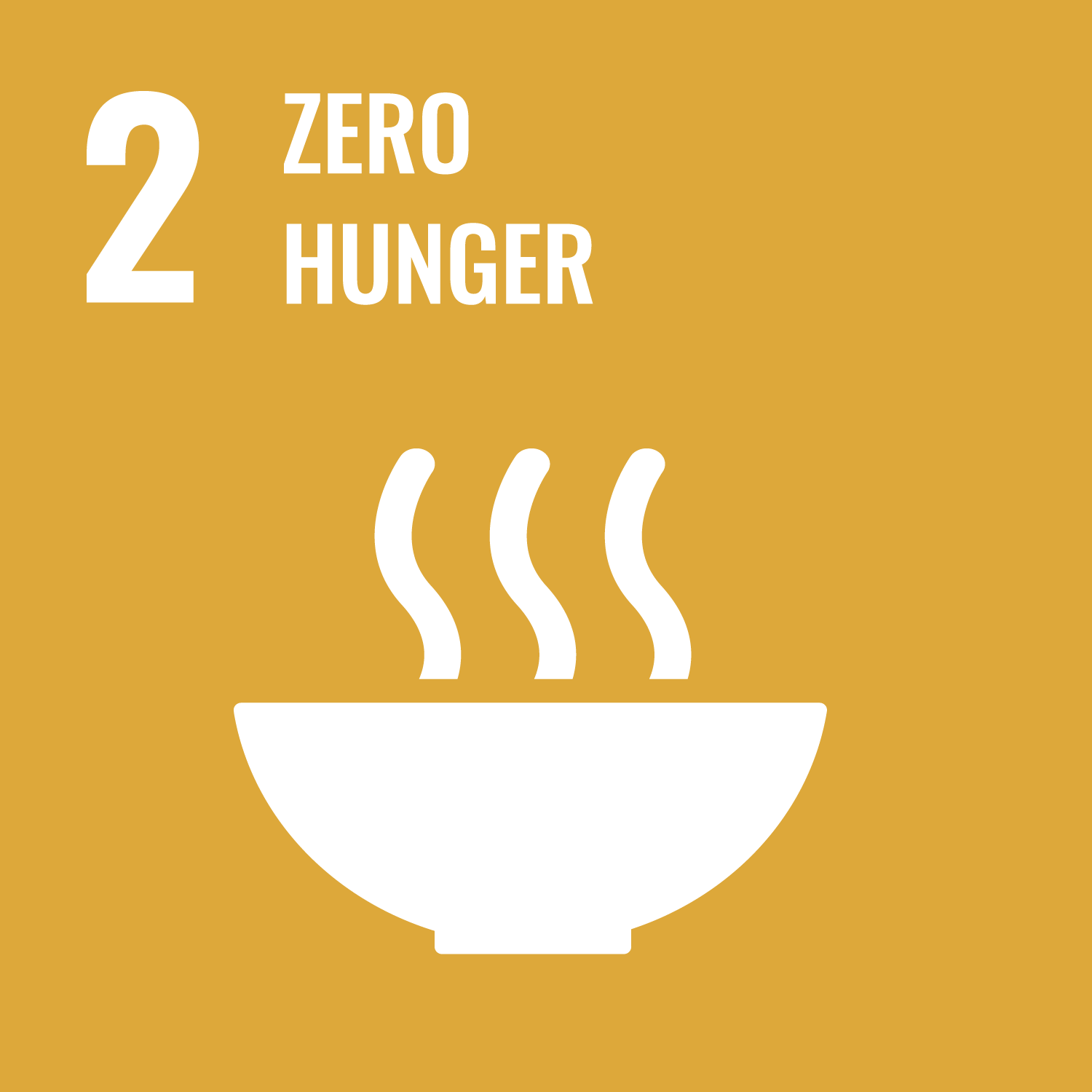
46
projects
(7% of total)
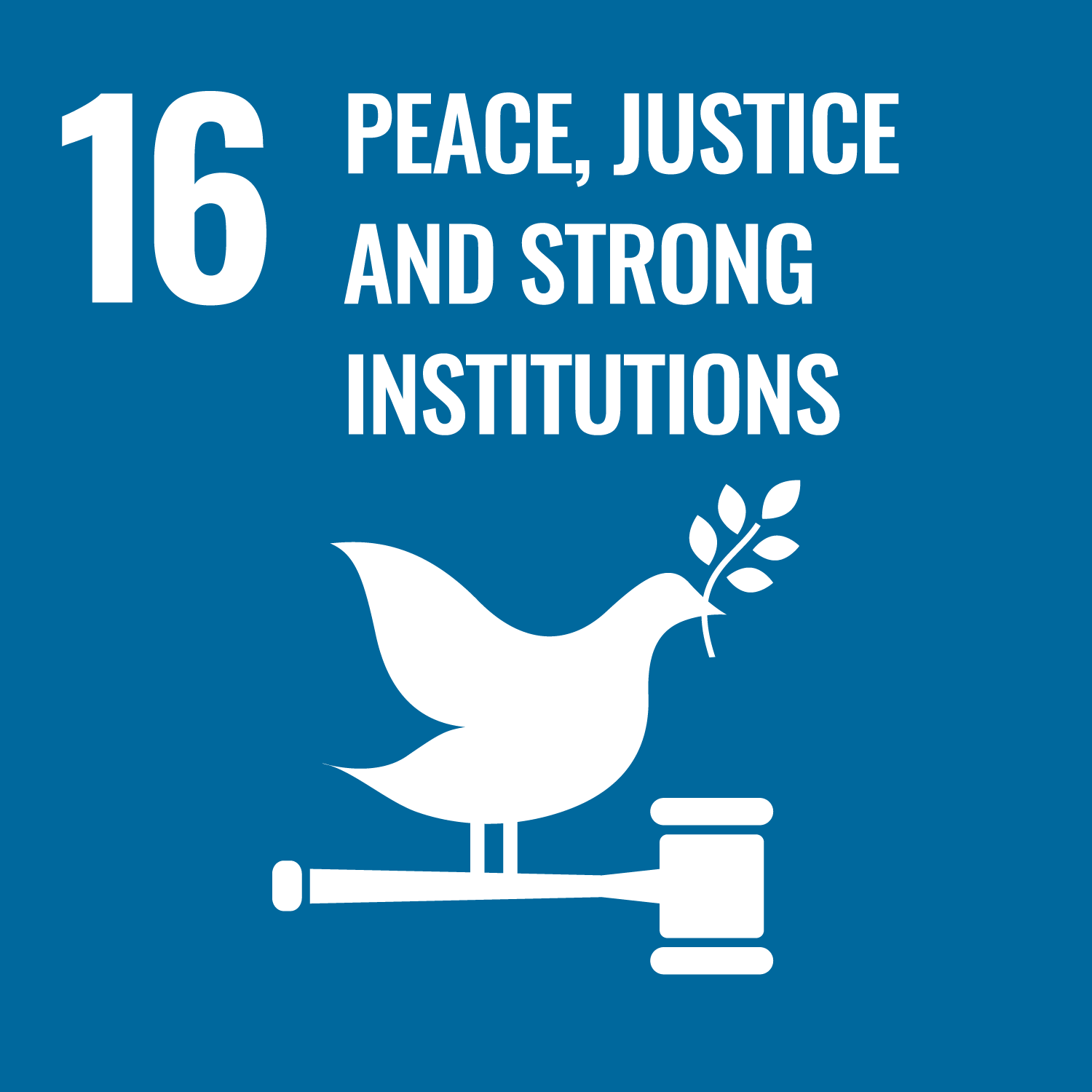
16
projects
(3% of total)
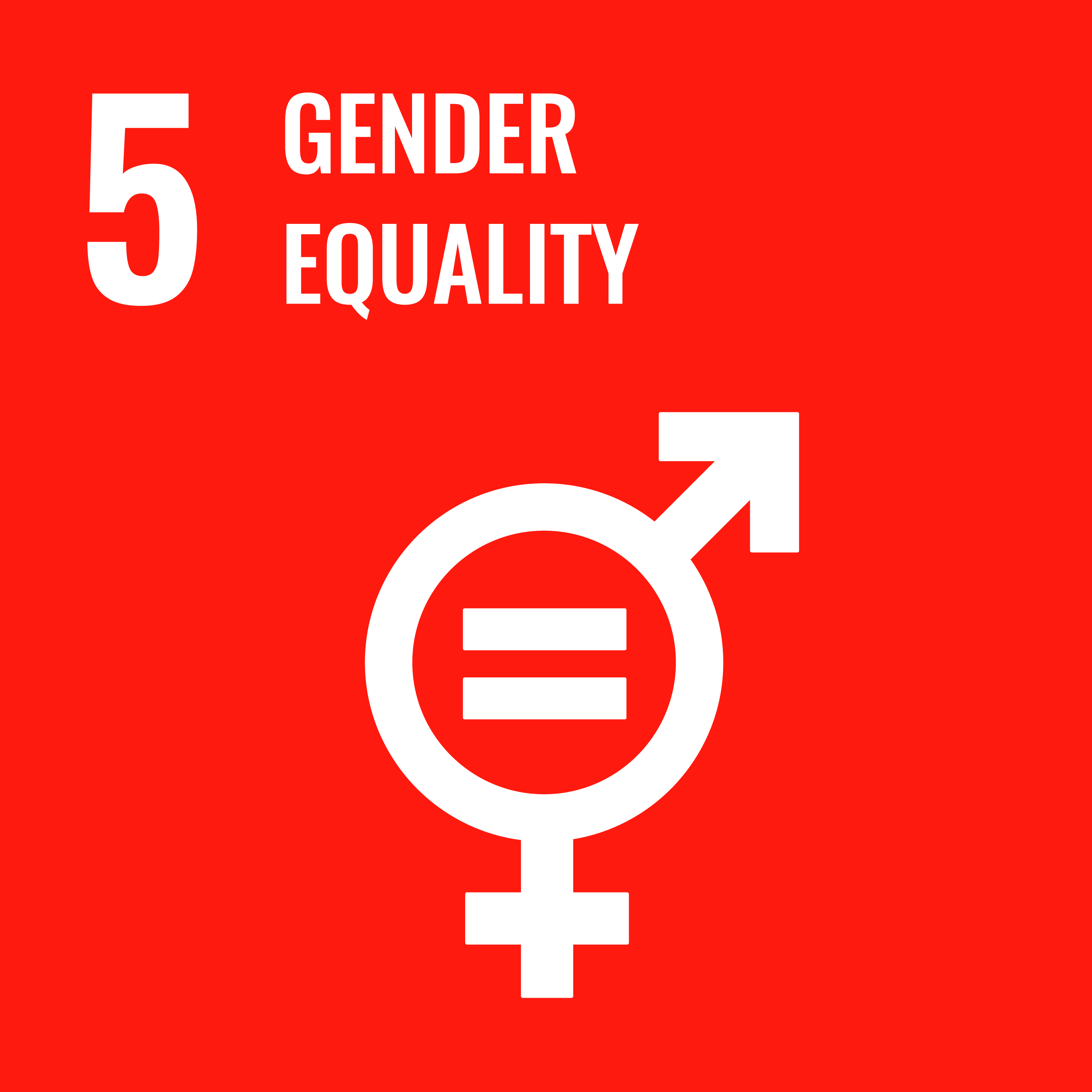
7
projects
(1% of total)
19
projects
(3% of total)

"
We select projects that not only help improve the lives of the people included, but also help alleviate the social-economic problems our country ist facing.“
Esther Seabi, Transformation Director FUCHS LUBRICANTS SOUTH-AFRICA
"

Sustainability Report
For the latest developments on how FUCHS is empowering not only customers, but also its employees and society as a whole, can be found in our annually published sustainability report.

EVOLVE Magazine
More interesting insights and stories about FUCHS' sustainability can be found on our online magazine EVOLVE.
Any questions?

Markus Garb
Vice President Global Sustainability